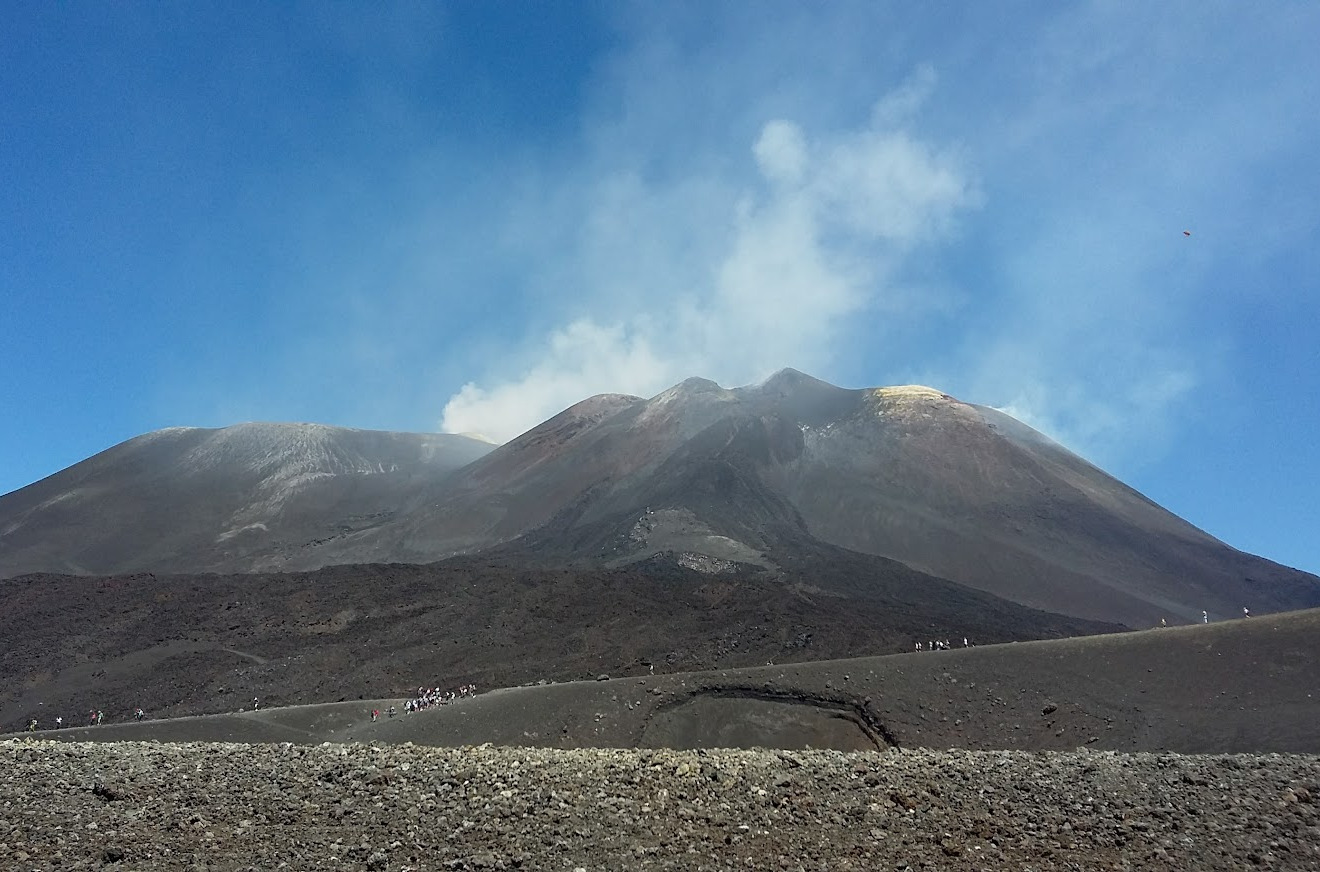

Experiencing Etna in winter is one of those magical moments you simply don't expect to find in Sicily: snow-capped peaks, crisp air, an even more pronounced "lunar" landscape, and a uniquely spectacular light. However, the winter season on Mount Etna follows a fundamental rule: flawless organization is essential.
Shifting weather conditions, strong winds, icy mountain roads, and sudden temperature drops can alter the dynamics of your day in an instant.
In this guide, you will discover exactly what to expect, how to structure your stops and timing, and which common mistakes to avoid. For our complete general guide, check out the main pillar article: Etna Tour: complete guide to the Mount Etna excursion.
What to expect from Mount Etna in the winter season
While Mount Etna during the winter months is exceptionally beautiful, it requires a completely different approach compared to summer. Be fully prepared for:
- Significantly lower temperatures (even on perfectly sunny days)
- High-altitude winds that drastically lower the perceived temperature (windchill factor)
- Thick snow blankets across multiple areas, depending on the exact month
- Highly variable conditions (the mountain weather can shift in a matter of minutes)
The most popular winter stops (Accessible and highly scenic)
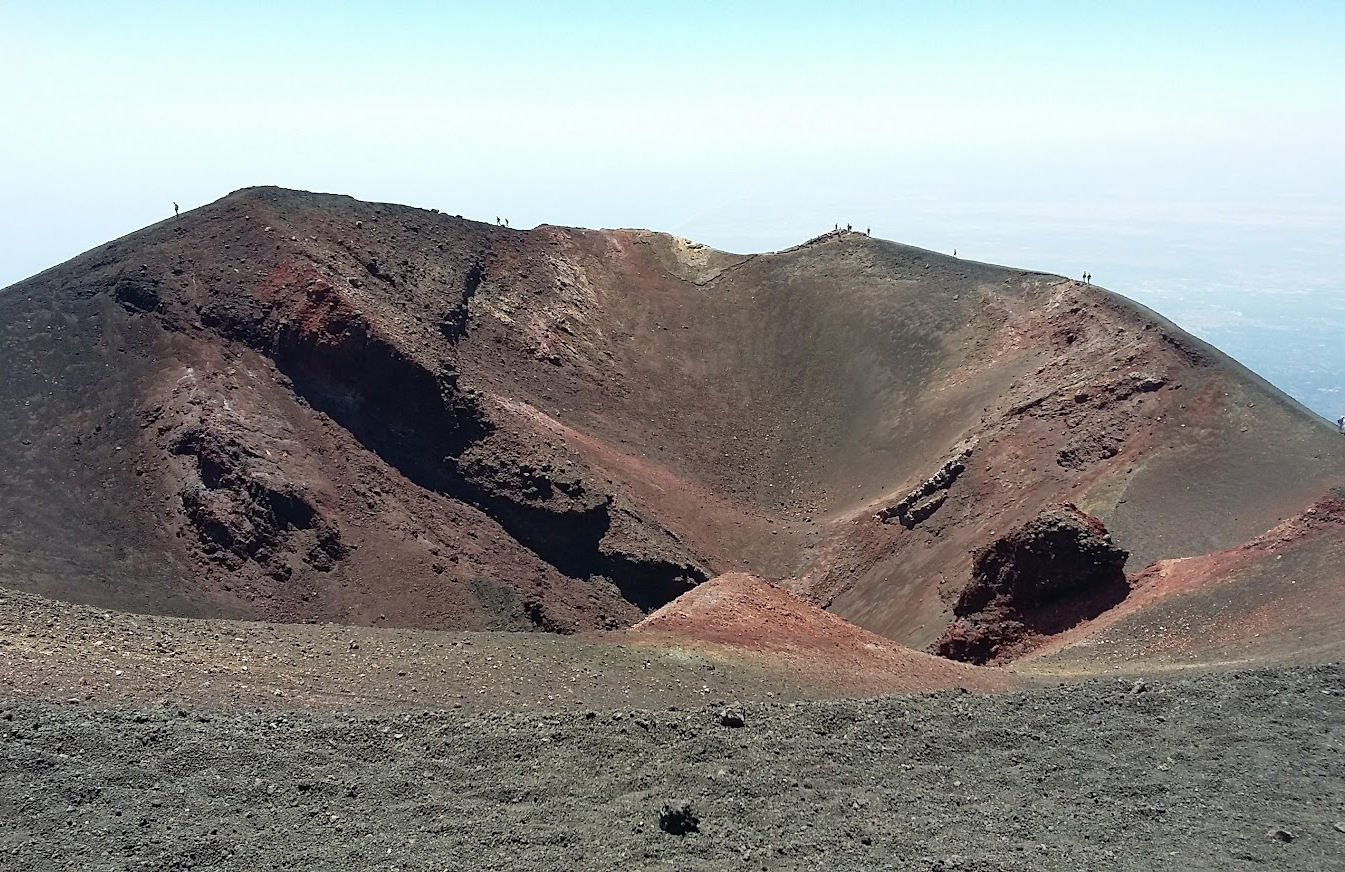
Rifugio Sapienza and Silvestri Craters
This remains the most classic and reliable checkpoint even during the coldest months: easily accessible, fully equipped with nearby facilities, and offering postcard-perfect backdrops for photos and straightforward walks.
Practical guide: Silvestri Craters and Rifugio Sapienza: what to see and how much time you need.
Roads and weather: the details that make or break your day
In winter, a successful excursion is achieved by following a few simple steps:
- Always double-check local mountain weather and road conditions before departing
- Avoid late-afternoon departures (daylight disappears very early in high altitudes)
- Select specific highlights that align perfectly with the current conditions of the day
This isn't about fear; it's entirely about maximizing quality. If the weather conditions are unfavorable, it is infinitely better to opt for a simpler, safer panoramic route than a stressful, rushed journey.
Clothing list: what to actually pack (without overpacking)
- Smart clothing layers (technical base layer + fleece + outer jacket)
- A quality windbreaker jacket (absolutely fundamental)
- Stable, high-grip footwear (waterproof hiking shoes are highly recommended)
- A warm beanie and gloves to counter freezing temperatures
- Polarized sunglasses (essential to combat the intense sun glare reflecting off the snow)
Winter Trekking: yes, but with realistic expectations
Trekking during the winter season can be an unforgettable adventure, but it is physically and logistically more demanding. If you want to assess the specific difficulties and preparation required:
Etna Trekking: what to expect, difficulty levels, and how to prepare.
Mount Etna in summer vs. winter: what actually changes?
During the summer season, the main goal is optimizing your hours to outsmart the heat and tourist crowds. In winter, the entire strategy revolves around weather windows and daylight. If you want to read our dedicated summer guide as well: Etna in summer: how to avoid heat and crowds.
How to book (What to share for a seamless winter tour)
- Your preferred date and departure point
- The exact number of participants
- Your preference for a completely relaxed pace
- Whether you prefer straightforward, accessible stops or a dedicated winter trekking section
- Special requirements: children, custom schedules, extra intermediate stops
Contacts and Bookings
Sicily Car Service
Via Arancio n. 29, Taormina (ME)
Phone: +39 333 160 6317 – +39 328 481 7474
Email: info@sicilycarservice.com
Office Hours: Mon–Fri 08:00–20:00 (Stand-by service 24/7)
Looking to experience Mount Etna in winter with zero surprises? Drop us a line with your date and group size: we will design a safe, consistent, and exceptionally scenic itinerary for you.
FAQ – Etna in Winter
Is it worth visiting Mount Etna in the winter season?
Yes, absolutely. It is a deeply magical experience that offers snow-capped volcanic landscapes and an incredibly crisp high-altitude light. However, it requires careful organization because mountain weather and road conditions can shift rapidly. To explore how to properly arrange a safe trip, read our guide on Etna in winter.
Which stops are the most reliable and accessible during winter?
Rifugio Sapienza and the Silvestri Craters are by far the best and most classic options. The base area is fully accessible, packed with useful nearby facilities, and serves as an ideal starting point for straightforward, panoramic winter walks. Check out all the practical details in our guide to the Silvestri Craters and Rifugio Sapienza.
Can I go trekking on Mount Etna during the winter months?
Yes, winter trekking is entirely possible and visually stunning, but it is physically and logistically more demanding than summer hikes. You must expect slippery terrain, freezing temperatures, and sharp windchill factors. To assess your preparation and choice of path, check out our guide on Etna trekking difficulty.
What is the biggest difference between a summer and winter excursion?
During the summer season, the main goal is optimizing your morning hours to outsmart the intense heat and tourist crowds, as detailed in our guide to Etna in summer. In winter, everything revolves around monitoring weather windows and making the most of the limited daylight hours before it gets dark early.
What are the essential clothing items to pack for a winter tour?
We highly recommend dressing in smart layers (technical base layer, fleece, and mid-layers), topped with a high-quality windbreaker jacket. Stable, high-grip footwear—ideally waterproof—is fundamental, along with a warm beanie, gloves, and sunglasses to protect your eyes from the intense sun glare reflecting off the white snow.
What information do I need to provide to book a winter trip?
To ensure a coherent and safe itinerary, simply share your preferred date, total number of participants, exact departure location, desired pace, and whether you prefer straightforward accessible stops or a more physical winter trek.