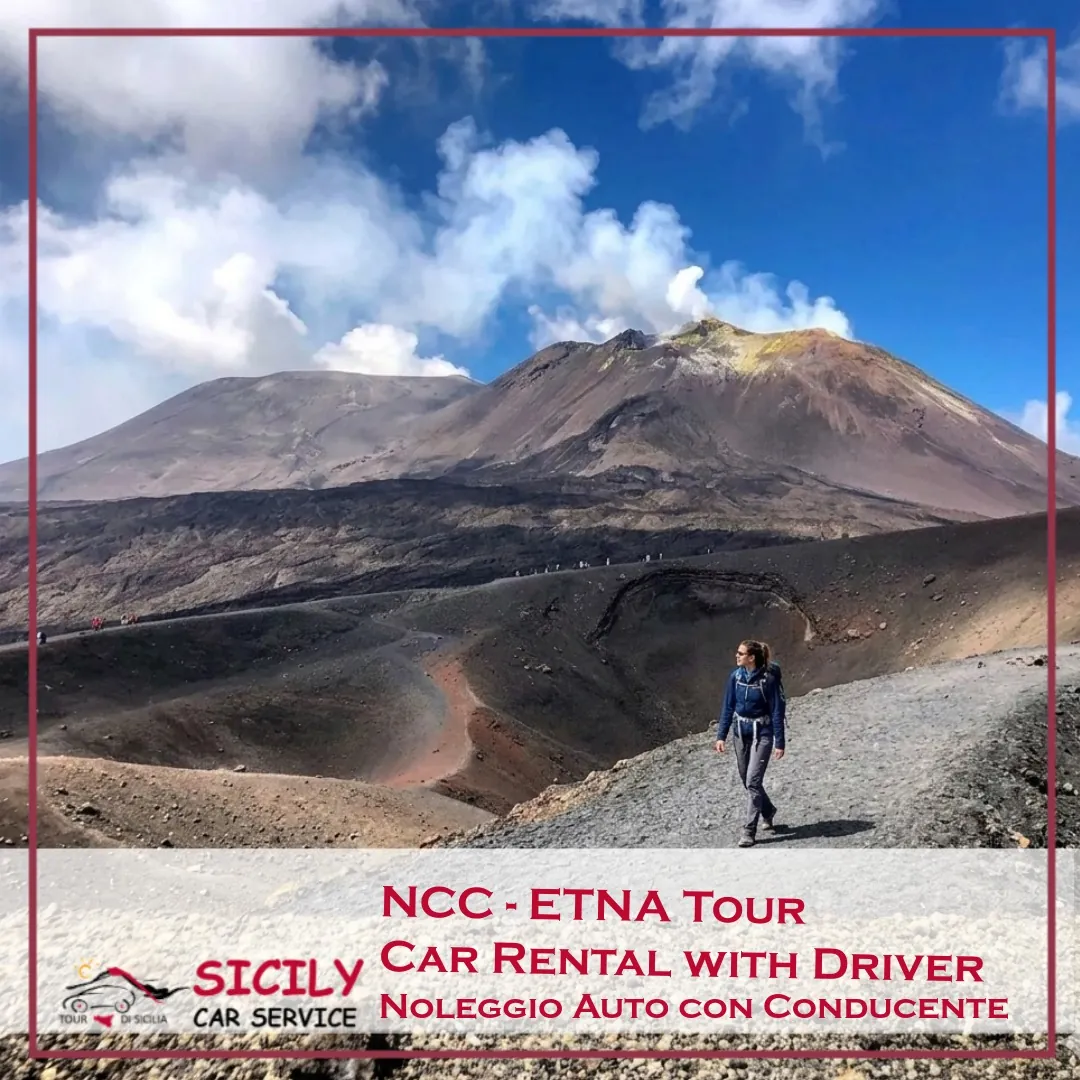
When searching for Etna trekking, people often picture an "easy" walk similar to a standard countryside hike. In reality, Mount Etna is an entirely unique high-altitude environment characterized by loose volcanic terrain, strong winds, sudden temperature drops, and rapidly shifting weather conditions.
The best part? This raw wildness is exactly what makes trekking here so incredibly special. The part you shouldn't underestimate? It requires proper preparation, realistic expectations, and a consistent itinerary.
In this guide, you will find exactly what to expect, how to properly assess the difficulty, and what to pack so you can experience your trek on Mount Etna with zero unpleasant surprises. If you are looking for our complete general tour guide, check out our main pillar article: Etna Tour: complete guide to the Mount Etna excursion.
Etna Trekking vs. "Etna Tour": What is the difference?
A standard Etna tour typically focuses on scenic driving checkpoints and straightforward, accessible walks. A **trekking** excursion, by contrast, is strictly centered around the hike itself: you spend significantly more time on foot, pay close attention to the terrain and weather, and skip fast-paced sightseeing stops. In short: it is a more physical, immersive, and deeply rewarding experience.
Difficulty Level: How to understand it (without being misled)
The true difficulty of a trail on Mount Etna doesn't just depend on the total distance in kilometers. Several local factors play a heavy role:
- The type of terrain: navigating loose volcanic ash (lapilli), sharp lava stone, and highly slippery slopes.
- Elevation gain and the steepness of the volcanic inclines.
- High-altitude winds and sudden shifts in temperature (it can feel remarkably chilly even in the peak of summer).
- The actual duration of the trail when factoring in realistic pacing and resting breaks.
Our top practical tip: if you want a relaxed, easy-going experience, select a short and highly scenic path; if you want an authentic, raw volcanic challenge, opt for a more structured trek.
Where to start: Catania (A convenient hub) and base stations
Many of the top hiking trails are organized with logistics that point directly to the mountain's most accessible base areas. If you need a comprehensive day plan starting from Catania, explore our dedicated guide: Etna excursion from Catania: recommended stops and timing.
And if you want to better understand the most "classic" entry gate where the majority of paths begin, check out our guide to the area: Silvestri Craters and Rifugio Sapienza: what to see and how much time you need.
What to pack for an Etna trek (A simple checklist)
- Sturdy hiking shoes or at the very least highly stable, high-grip trail trainers.
- Plenty of water (pack significantly more than you think you will need) and energy-rich snacks.
- A quality windbreaker jacket (high-altitude winds can change the entire dynamic of the day).
- Smart clothing layers: a technical base layer paired with a lightweight fleece or mid-layer jacket.
- A sun hat and high-protection sunscreen for summer hikes.
- Sunglasses: essential to counter the intense mountain glare and protect your eyes from airborne volcanic dust or fine debris.
How to set the pace (To truly enjoy the mountain)
Trekking on Mount Etna isn't about beating a clock or setting a record. It is all about establishing a sustainable, steady rhythm. Keep these two simple rules in mind:
- It is infinitely better to complete a shorter trail exceptionally well than to force a long route while constantly rushing.
- Schedule brief but regular breaks to hydrate, snap photos, and catch your breath.
Weather and seasons: when it gets more demanding
While hiking paths on Mount Etna can be explored year-round, the mountain transforms completely across seasons. During the colder months, you will face much more demanding conditions due to freezing temperatures, snow, and complex road conditions. If you want to understand how to correctly approach a winter trek, check out our cold-season insights: Etna in winter: snow, refuges, roads, and what to do.
How to book (What to share for a seamless trek)
To help us design an experience perfectly tailored to your physical preparation, please share:
- Your preferred date and departure location.
- The exact number of participants.
- Your desired difficulty level: easy, medium, or **challenging**.
- Any special requirements: children, specific time frames, or a preference for purely panoramic stops.
Contacts and Bookings
Sicily Car Service
Via Arancio n. 29, Taormina (ME)
Phone: +39 333 160 6317 – +39 328 481 7474
Email: info@sicilycarservice.com
Office Hours: Mon–Fri 08:00–20:00 (Stand-by service 24/7)
Looking to organize an Etna trek suited to your level? Drop us a line with your date, group size, and preferences: we will build a coherent plan with zero surprises.
FAQ – Etna Trekking
Is trekking on Mount Etna difficult?
It completely depends on the specific path you choose. On Mount Etna, factors like the loose volcanic terrain, elevation gain, high-altitude winds, and sudden shifts in temperature play a heavy role. However, by selecting a well-balanced itinerary, you can easily find trails perfectly suited even for beginners or those who aren't heavily trained. For more details on trail preparation, read our guide to Etna trekking difficulty.
What is the difference between an Etna tour and an Etna trek?
An Etna tour typically focuses on a mix of scenic driving checkpoints, historical highlights, and very simple, brief walks. In contrast, an authentic trekking excursion is strictly centered around the hike itself, featuring significantly more time on foot, a more physical approach, and deeper immersion into the raw wilderness. To explore our comprehensive overview of the mountain, check out our main Etna tour excursion guide.
What should I pack for a trekking trip on Mount Etna?
You should pack highly stable hiking shoes or high-grip trainers, plenty of water, energy-rich snacks, a quality windbreaker jacket, and smart clothing layers. During the summer months, a sun hat and sunscreen are absolutely essential to face the intense high-altitude mountain glare.
When is the best time of year to go trekking on Mount Etna?
It depends on the kind of experience you are looking for. During the hotter months, leaving early is the ultimate secret to bypass intense heat and crowds, as detailed in our guide to Etna in summer. Conversely, the colder months offer a magical, snowy landscape but feature much more demanding conditions; learn how to prepare for it in our guide on Etna in winter.
Is Etna trekking suitable for children?
Only if you select very short, easy paths specifically tailored around a gentle, family-friendly pace. If you are traveling with little ones, we highly recommend focusing on more accessible highlights and base stations; find all our practical tips in our guide to planning an Etna tour with kids.
What information do I need to provide to book a well-optimized trek?
To help us design the ideal route, simply share your preferred date, total number of participants, your desired difficulty level (easy, medium, or challenging), and any personal preferences regarding pacing or specific scenic viewpoints.